
Small-boat sonar
A 5–7 inch CHIRP unit with GPS is enough for many skiffs, kayaks, and compact center consoles. Spend on a clean transducer install before chasing advanced imaging.
See the small-boat shortlist →The electronics page now covers the full upgrade path: simple sonar for a small boat, a keypad unit for anglers who want physical controls, and a larger chartplotter when navigation becomes part of the job. The point is not to buy the biggest screen—it is to buy the screen and transducer you will actually use.
12 pieces of coverage are live in this hub. We keep the decision simple: what problem the product solves, who should buy it, and where the compromise shows up.
A 5–7 inch CHIRP unit with GPS is enough for many skiffs, kayaks, and compact center consoles. Spend on a clean transducer install before chasing advanced imaging.
See the small-boat shortlist →When a boat has the dash space and wiring for it, a 9-inch chartplotter makes split-screen navigation and sonar easier to read in glare.
Read the 9-inch review →A fish finder is useful; a DSC-capable VHF is a safety system. Keep the radio accessible, powered, and connected to GPS.
Compare VHF options →Touchscreens look modern, but keypad controls remain easy to use with spray, gloves, and a moving boat. Pick the interface you will use without thinking.
Read the HELIX 7 review →Affiliate disclosure: Cast & Cruise is reader-supported. We may earn a commission on purchases made through our links, at no extra cost to you. We only recommend gear we would buy ourselves.
Garmin
Research synthesisPick the 73sv when the 9-inch 93sv will not fit. Confirm whether the box includes the GT54 before you treat the Amazon price as a complete install.
Garmin
Research synthesisBuy it as a satellite safety layer, not as a radio. Budget for the Garmin inReach plan, register it, and keep it in a grab bag with the handheld VHF.
Icom
Research synthesisIf the GX1400G is the easy Eclipse-series starting point, the M330G is the tight-install Icom. Confirm you are buying the G model with GPS, not the M330 without it.
Simrad
Research synthesisTreat this as a 9-inch powerboat plotter with structure imaging in the box, not as a live-sonar fishing computer. Confirm the carton includes the 3-in-1 transducer; Amazon also sells a no-transducer GO9.
Standard Horizon
Research synthesisIf the IC-M25 is the simple floating spare, the HX890 is the handheld you buy when DSC position and a strobe are part of the job. Charge it, register the MMSI, and keep it where you can grab it with one hand.
 electronics
 Garmin
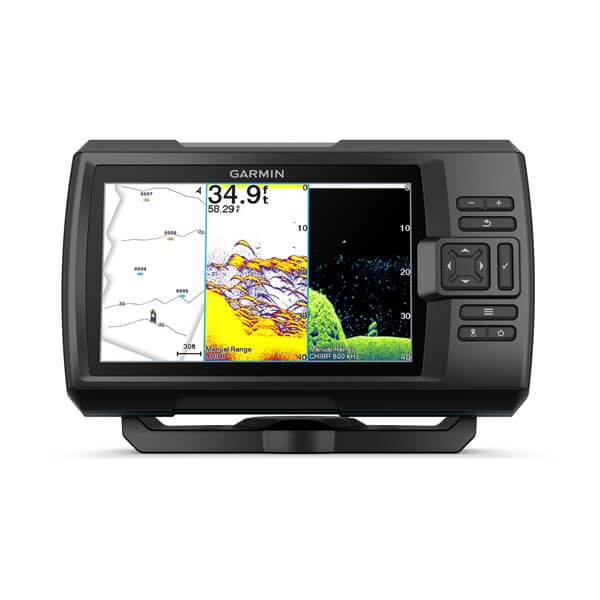
Research synthesisFor a skiff, jon boat, or compact console, the STRIKER Vivid 7cv gets the core fishfinding workflow right. It is a focused sonar-and-GPS tool, not a substitute for a larger networked marine-electronics system.
 electronics
 Garmin
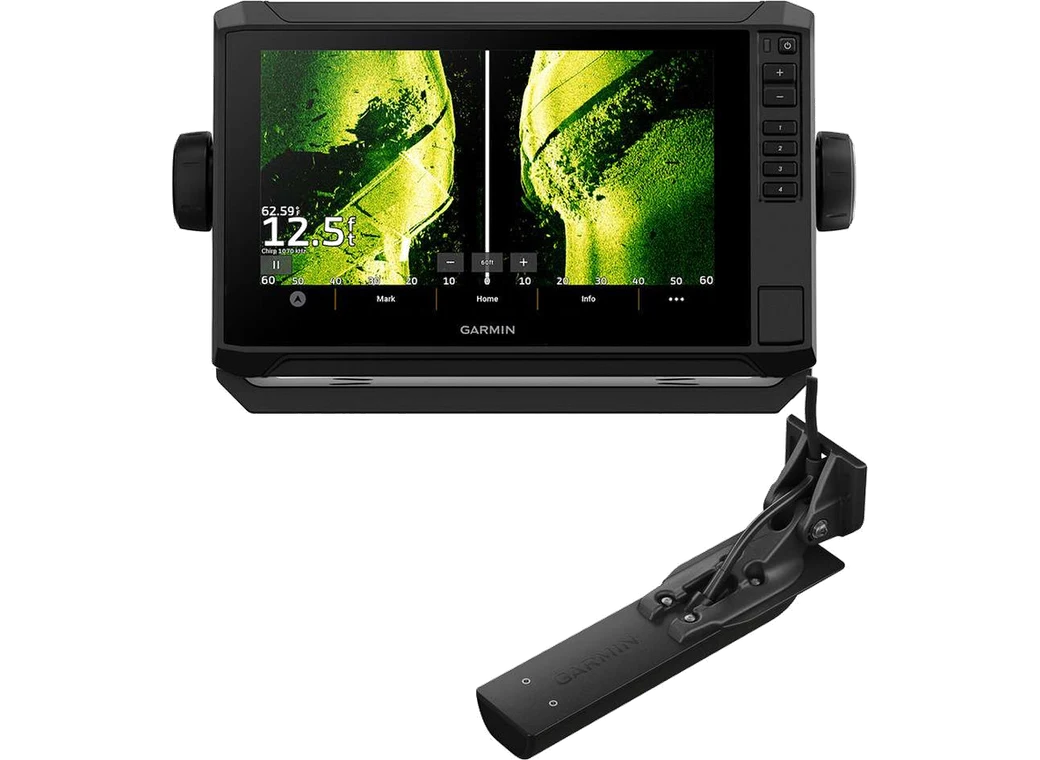
Research synthesisIf your boat doesn't have a chartplotter yet — or your 5-inch unit is getting cramped — this is the upgrade you won't outgrow.
 safety
 Standard Horizon
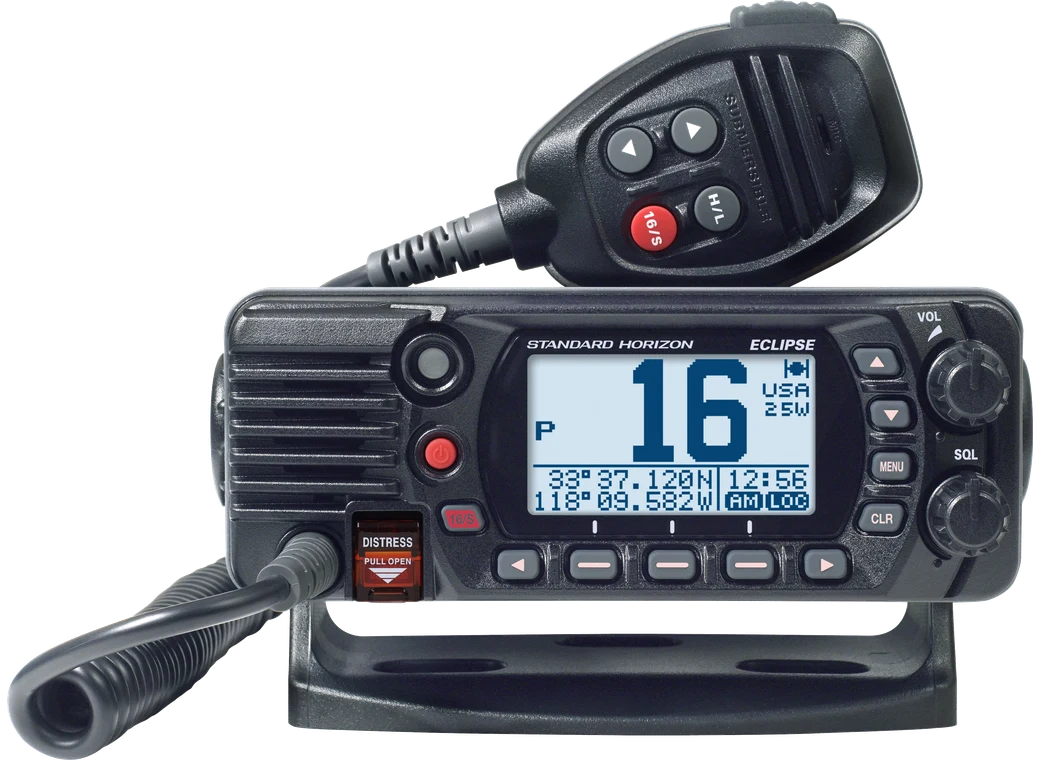
Research synthesisIf your boat doesn't have a fixed-mount VHF with DSC and GPS yet, this is the radio to install this weekend.
A coastal comms stack that actually matches how boats fail: a DSC fixed-mount as the primary radio, a GPS handheld as the grab spare, and an inReach only after those two exist.
Read the guide →The right small-boat electronics setup is usually one readable screen, one compatible transducer, and a clean install—not a dash full of features nobody uses.
Read the guide →A practical VHF shortlist for family boats: when a fixed-mount radio is the primary choice, when a handheld makes sense, and which features deserve the dash space.
Read the guide →Choosing a fish finder for a small boat is mostly about not overspending. Here's the right size, sonar tier, and brand for the typical 18–25 ft recreational center console — and what to skip.
Read the guide →Start with a 5–7 inch CHIRP unit that includes GPS and a transducer that fits your hull. The Garmin STRIKER Vivid 7cv is the simple path; the Humminbird HELIX 7 makes more sense when physical controls and a deeper system matter.
Not automatically. Side imaging is useful for finding structure and covering water, but it adds cost and installation complexity. Traditional CHIRP plus a good chart and clean transducer placement is enough for many family boats.
A fixed-mount VHF is the primary choice for a boat with a proper electrical system and antenna. A handheld is a valuable backup or tender radio; it should not be treated as a replacement for the range and height of a fixed installation.